Autonomous vehicles are rapidly becoming a tangible reality in the global technological landscape. With advances in artificial intelligence, advanced sensors and communication technologies, driverless cars promise to revolutionize the way we get around. This article explores the current state of autonomous vehicles, the challenges they face, and the future prospects for this innovation.
The Current State of Autonomous Vehicles.
These vehicles are already under advanced testing in different parts of the world. Companies such as Tesla, Waymo, and Uber are developing and refining their autonomous driving technologies, with the goal of making travel safer and more efficient. For example, Waymo has launched an autonomous cab service in Phoenix, Arizona, demonstrating the commercial viability of this technology .
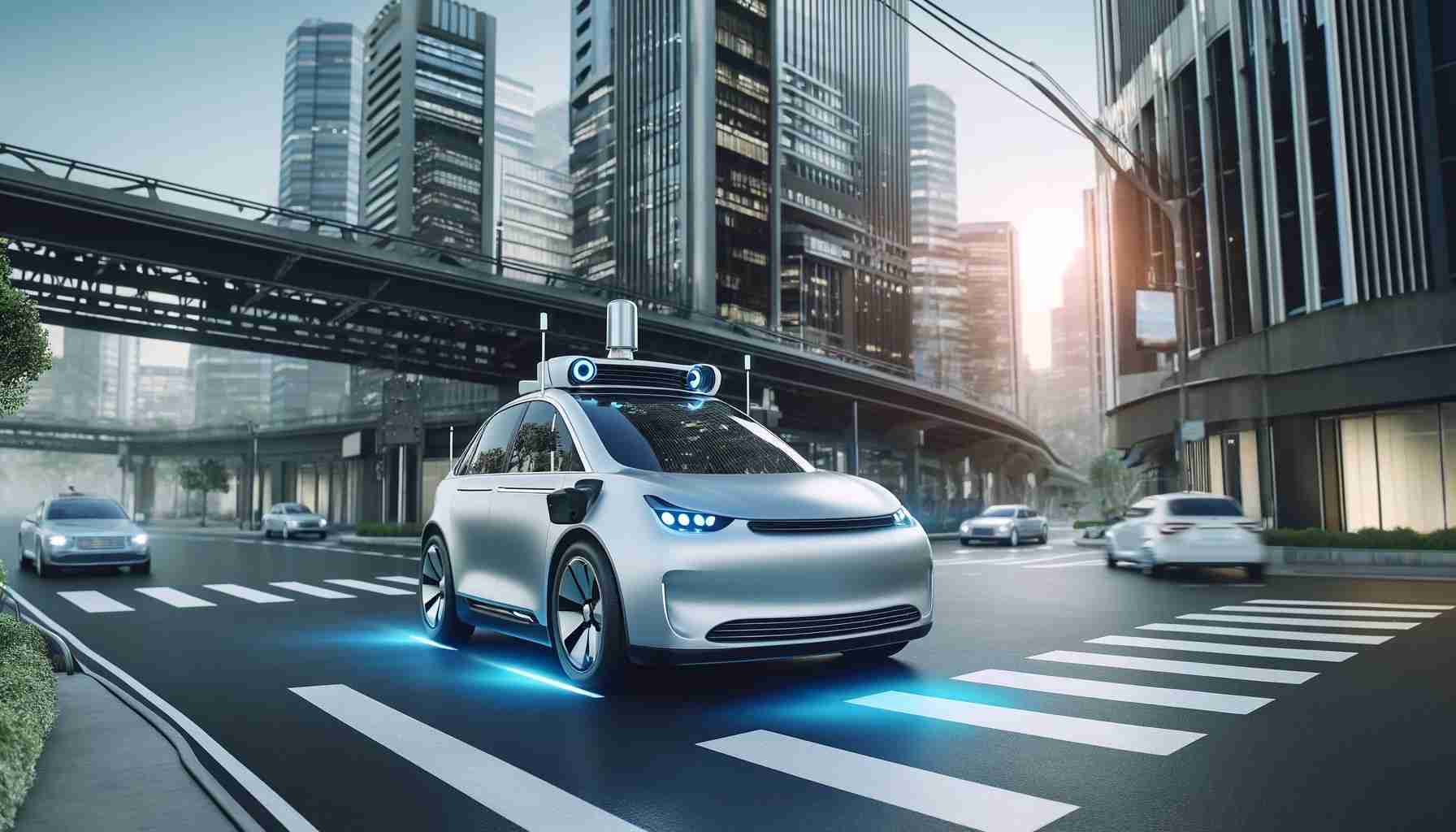
- Sensors and AI: Autonomous vehicles use a combination of sensors, such as LIDAR, radar and cameras, to sense their surroundings. Artificial intelligence processes this data in real time to make safe driving decisions .
- V2X Connectivity: Vehicle-to-Everything (V2X) communication enables vehicles to communicate with each other and with road infrastructure, improving safety and traffic efficiency .
- Regulations and Safety: Regulations on autonomous driving vary widely among countries. In the United States, for example, several cities have begun to implement specific regulations for autonomous vehicle testing.
Challenges to Overcome
Despite progress, there are still several challenges that autonomous vehicles face before they become a widespread reality:
- Reliability in Variable Conditions: These vehicles must be able to operate in different weather conditions and in complex scenarios such as crowded roads and busy intersections .
- Cybersecurity: Protection against cyber attacks is crucial to ensure vehicle security. Hackers could potentially take control of driving systems.
- Public Acceptance: Public confidence in the safety of vehicles is essential for their adoption. Accidents or malfunctions can negatively affect public perception .
Future Perspectives
The future of these vehicles is promising. These technologies are expected to dramatically reduce traffic accidents caused by human error and improve the efficiency of urban traffic. In addition, autonomous vehicles could revolutionize public transportation and home delivery, reducing costs and improving accessibility.
If you would like more details on how autonomous vehicles could affect your industry or need advice in the world of Digital Marketing, please feel free to contact us through ourcontact page.