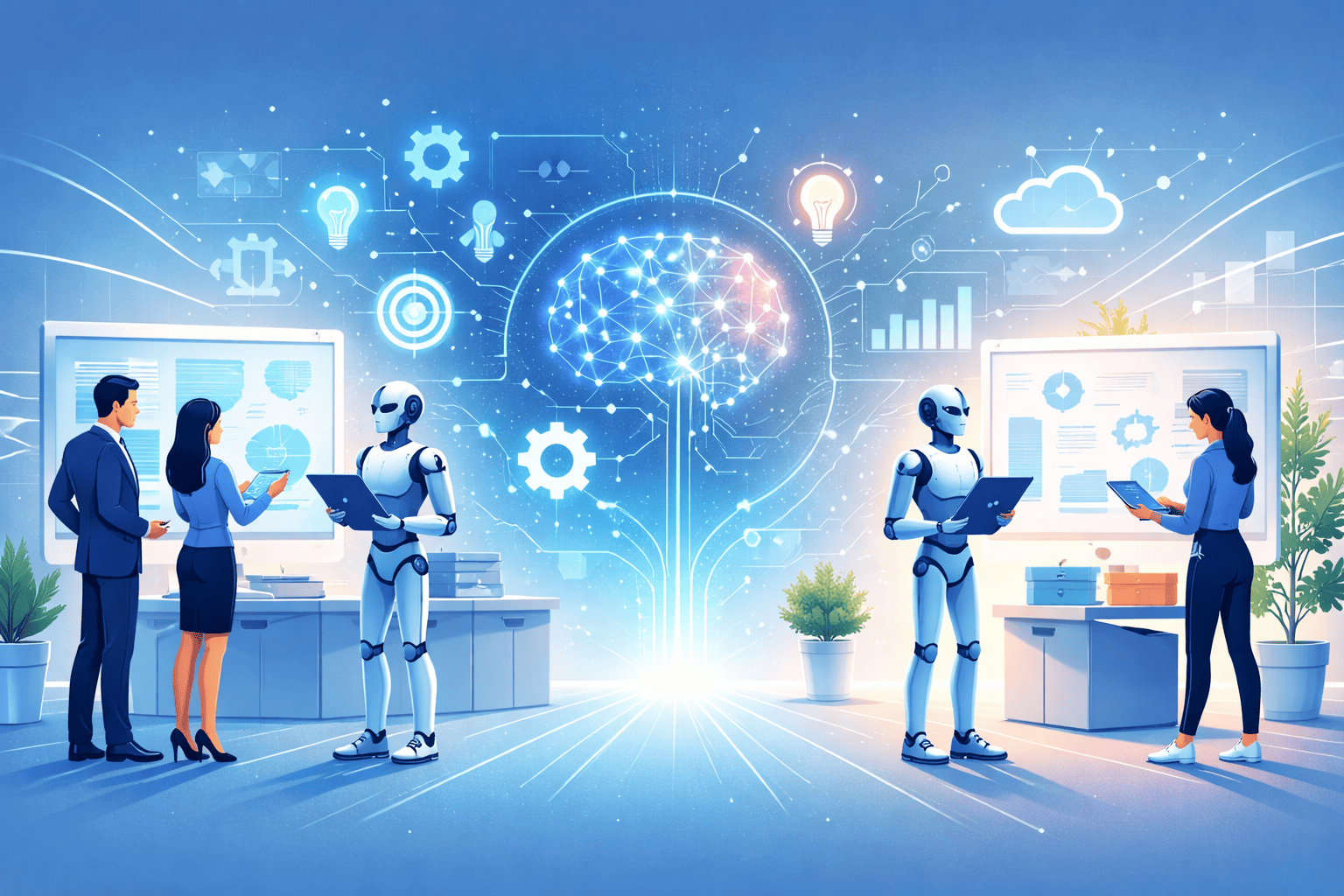
Technological development in 2025marked an epoch-making turning point. It was not just an evolution of digital tools, but a real cultural change in the way companies, professionals, and institutions use technology. Artificial intelligence, automation, data, and intelligent software have gone from being "promising novelties" to structural elements of everyday working life.
Looking at 2025 as a whole, a clear picture emerges: technology is no longer a support, but acentral strategic factor.
2025: the year artificial intelligence comes of age
If 2023 and 2024 were the years of discovery, 2025 was the year ofAI maturity. Companies stopped experimenting haphazardly and began integrating artificial intelligence into real-world processes: customer care, marketing, software development, data analysis, and decision support.
According to an analysis published byHarvard Business Review, many organizations have finally understood that the value of AI lies not in the technology itself, but in its strategic integration into business processes.
By 2025, AI has become an operational tool, no longer just an optional competitive advantage.
Automation and productivity: less hype, more results
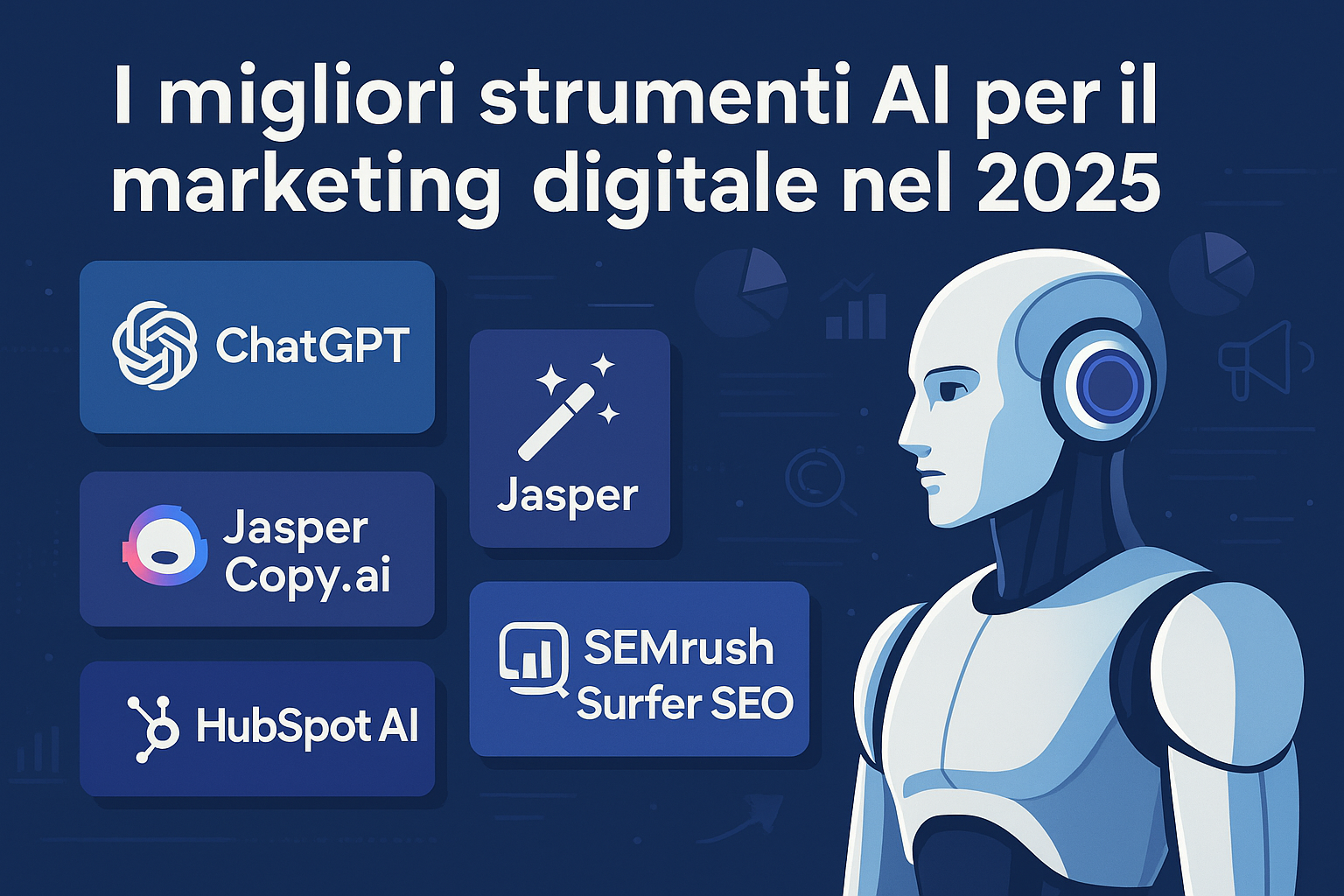
Another key theme in technological development in 2025 was the shift from hype tomeasurable productivity. Automated workflows, marketing automation systems, intelligent CRM, and low-code/no-code tools enabled even SMEs and small teams to achieve results previously reserved for large companies.
As highlighted byForbes, intelligent automation has been one of the main drivers of growth for digitally oriented companies.
In 2025, it wasn't those with "more technology" who won, but those who knew howto use it better.
Software, cloud, and security: increasingly central foundations
Technological development is not limited to AI and automation. In 2025, there was also increased focus oncloud infrastructure, cybersecurity, and data management. The rise of intelligent systems has highlighted the crucial importance of robust, scalable, and secure architectures.
According toWired, cybersecurity has become one of the most critical issues of the year, especially in relation to the use of artificial intelligence in business systems.
Technology has accelerated, but it has also imposed greater responsibility.
The role of people in 2025: skills and awareness
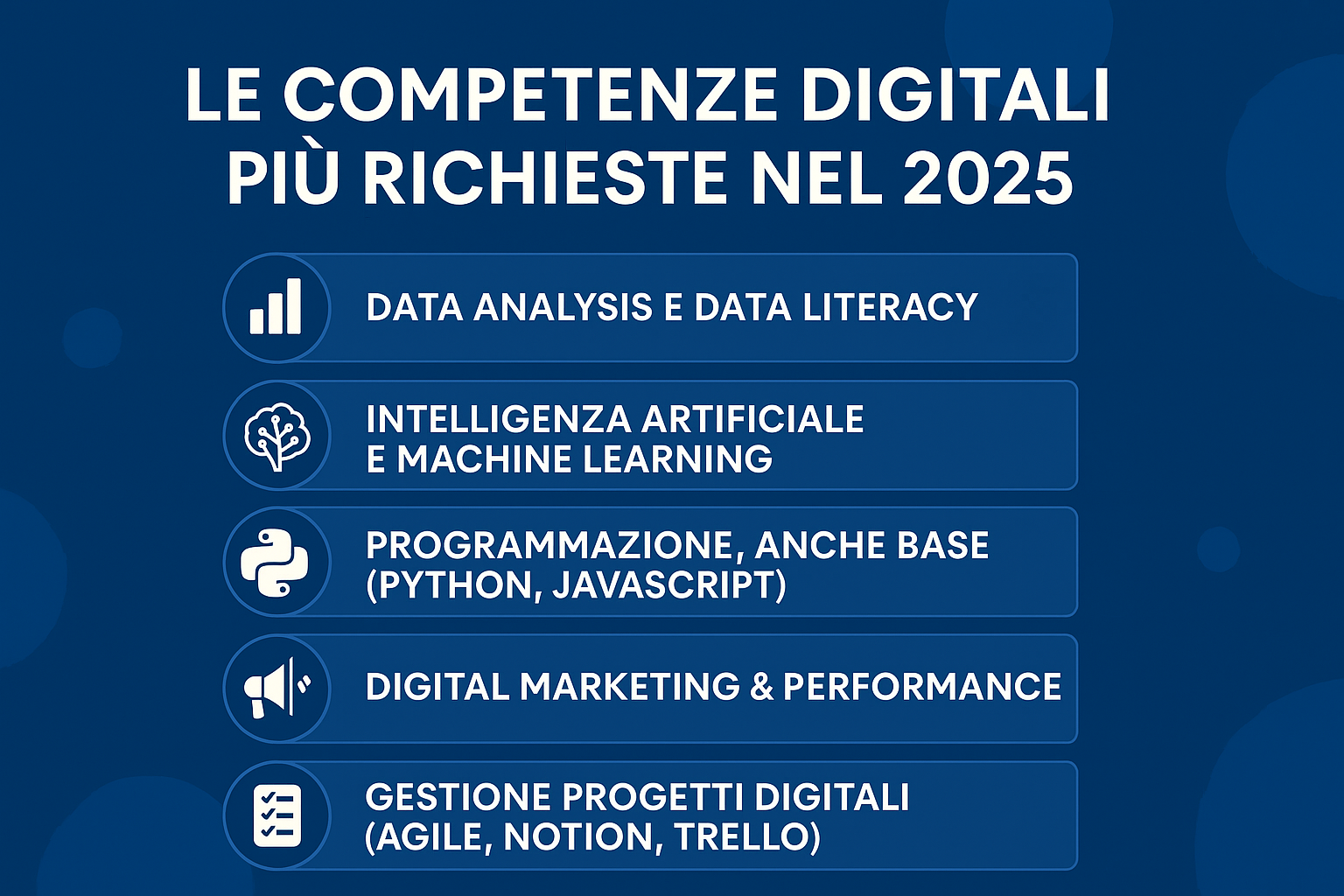
One of the most interesting aspects of 2025 was the return tothe human factor. Contrary to initial fears, AI did not replace people, but increased the value of soft skills: critical thinking, strategic vision, and the ability to interpret data.
According toMcKinsey, companies that invested in digital training achieved better results than those that focused solely on tools.
What to expect from 2026: less "wow" technology, more useful technology
Looking ahead to 2026, the trend seems clear:less experimentation for its own sake, more concrete solutions. Artificial intelligence will become increasingly invisible, integrated into software and services without needing to be "shown off."
In 2026, we expect:
- Increasingly specialized and vertical AI
- Greater integration between data, marketing, and sales
- Simpler, yet more powerful digital tools
- A growing focus on ethics, transparency, and technological governance
The real competitive advantage will not be adopting new technologies, butchoosing the right onesand implementing them correctly.
Conclusion
Technological development in 2025 taught us a fundamental lesson: technology only works if guided by strategy, skills, and vision. 2026 will not reward those who run fastest, but those who build best.
For companies that want to transform these developments into real value through digital solutions, automation, platforms, and tailor-made strategies, our team accompanies every project from vision to concrete implementation. For more information, write to us here.