Artificial intelligence does not steal jobs, but transforms them. This statement, increasingly supported by studies and data, is one of the central themes of the contemporary technological debate. The fear that AI could completely replace humans is understandable, but often stems from a simplified and incomplete view of digital innovation.
History shows that every major technological revolution has changed work, not eliminated it. Artificial intelligence follows the same logic: it automates repetitive tasks, speeds up processes, and frees up time for activities with greater human value.
Automation does not mean replacement
One of the main misconceptions is confusing automation with total replacement. AI is extremely effective at performing repetitive, predictable tasks based on large volumes of data. However, it lacks critical, empathetic, and creative abilities comparable to those of humans.
According to Harvard Business Review, companies that successfully adopt AI do not eliminate human roles, but redefine them, creating new responsibilities and skills.
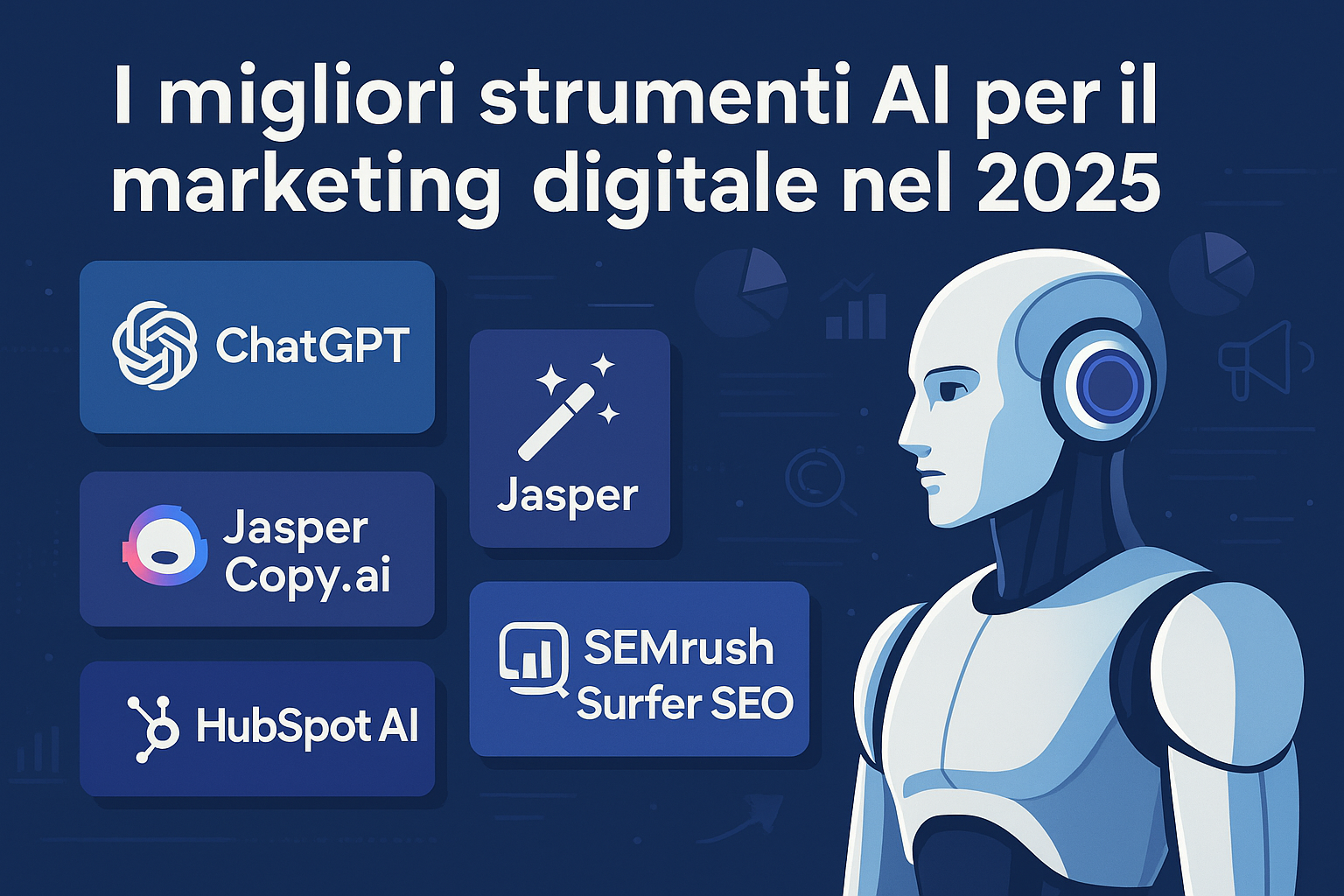
In marketing, software development, design, and consulting, AI becomes a decision-making support tool, not a substitute.
New skills, new roles
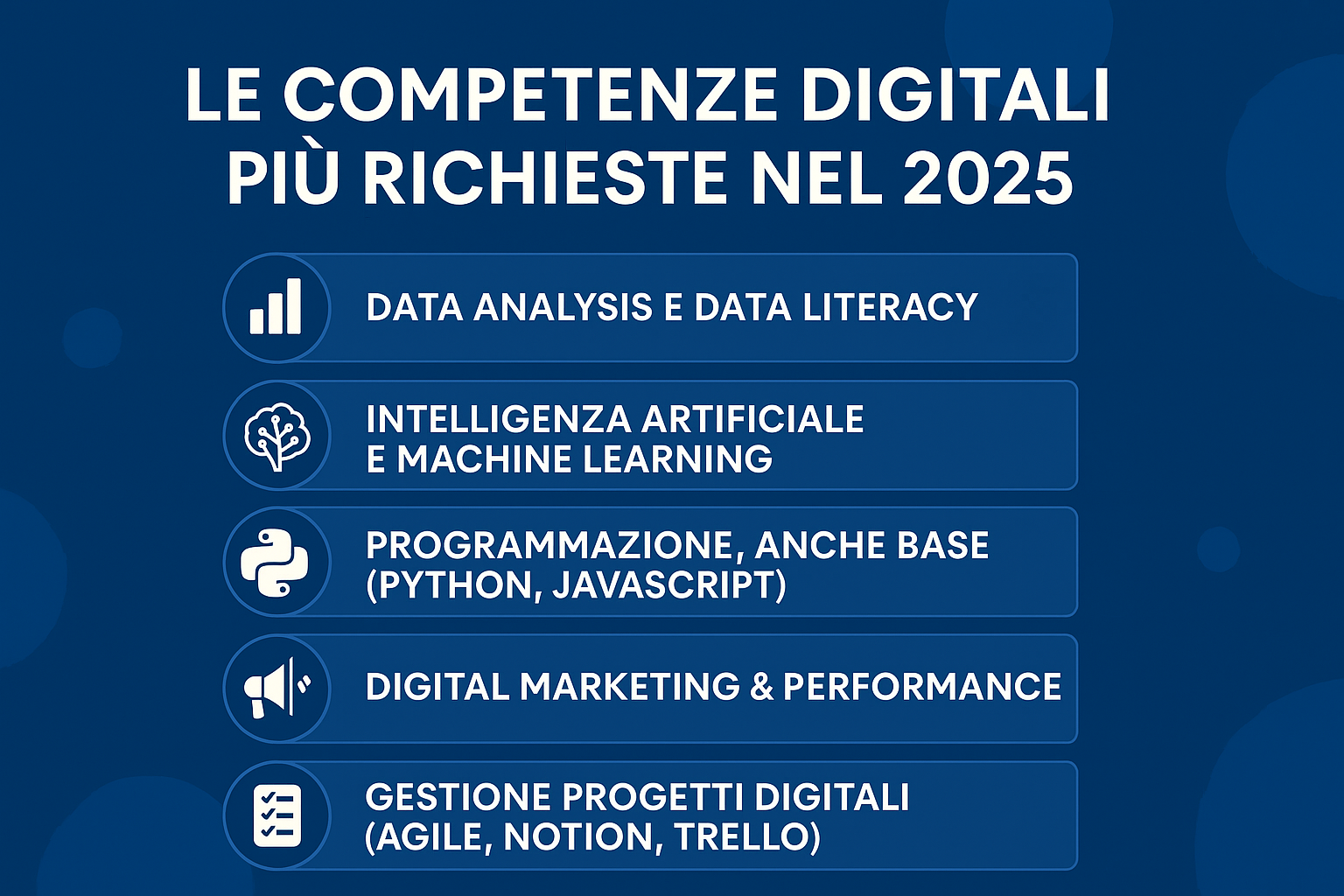
As certain tasks change, new professions emerge. Roles such as AI specialist, prompt designer, data analyst, automation manager, and digital strategist have been created thanks to the spread of artificial intelligence.
A Forbes analysis highlights how AI is creating more skilled job opportunities than it is eliminating, especially in the digital and technology sectors.
Value no longer lies in mechanical execution, but in the ability to interpret, guide, and supervise technology.
AI as an amplifier of human capabilities
One of the most interesting aspects of AI is its ability to amplify human skills. A marketer with AI tools can analyze data more quickly. A developer can write and review code more efficiently. An entrepreneur can make more informed decisions.
As McKinsey points out, companies that combine artificial intelligence and human skills achieve superior performance compared to those that rely solely on technology.
AI does not replace strategic thinking: it enhances it.
The human factor remains central
Empathy, leadership, creativity, vision, and ethical responsibility remain exclusively human traits. Artificial intelligence can suggest, analyze, and simulate, but it cannot understand the social, cultural, and emotional context with the same depth.
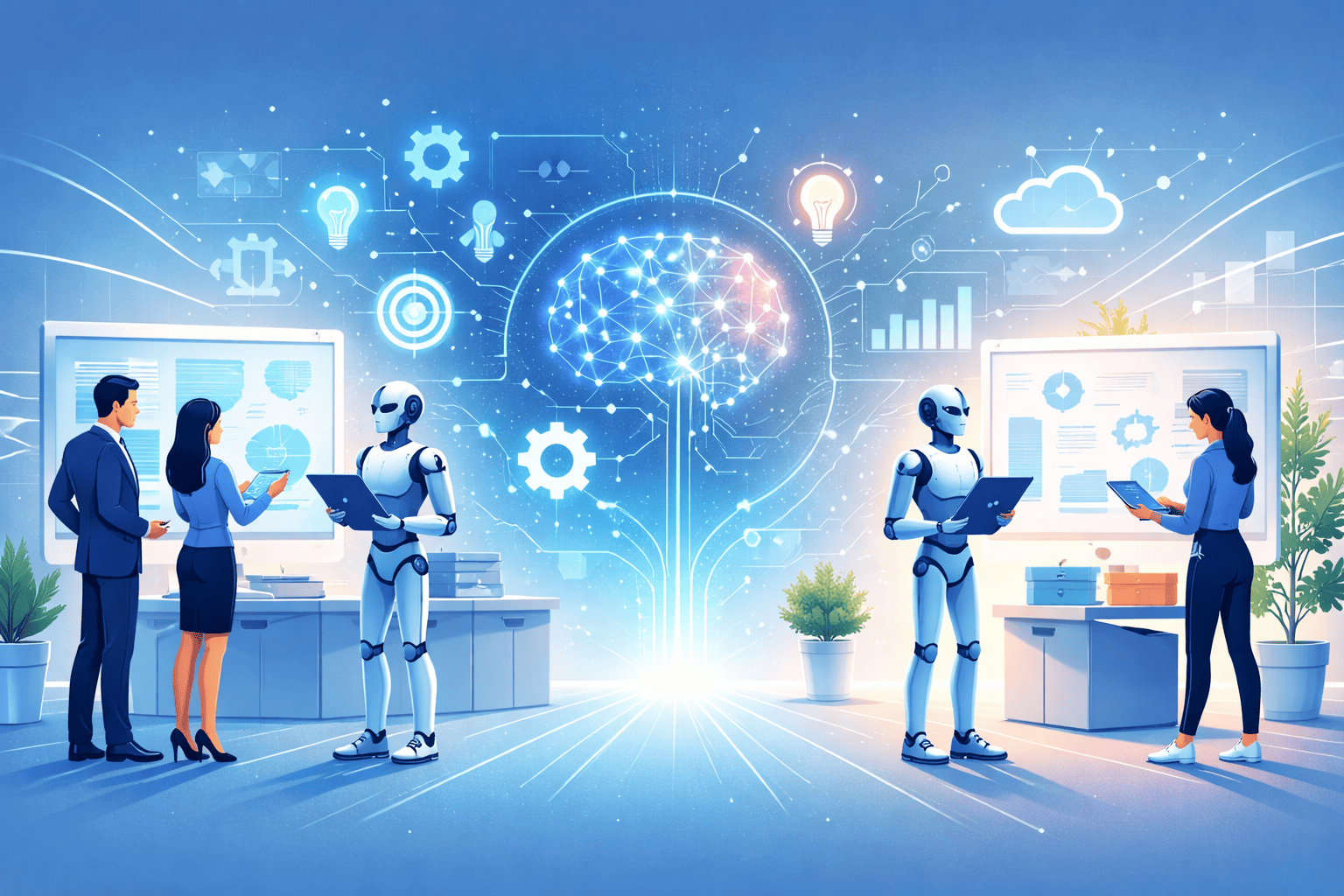
According to Wired, the future of work will be increasingly hybrid: human + technological.
Companies that are realizing this are already investing in training and reskilling, rather than fearing change.
From fear to opportunity
The real risk is not artificial intelligence, but not knowing how to use it. Organizations that resist change risk falling behind, while those that strategically integrate AI build sustainable competitive advantages.
The focus must shift from "what AI can do for us" to "what we can do better thanks to AI."
Conclusion
Artificial intelligence does not steal jobs: it transforms them, evolves them, and creates new ones. The future does not belong to machines, but to people who are able to collaborate with technology in an intelligent and conscious way.
For companies that want to integrate AI into their digital processes, optimize their work, and develop tailor-made solutions, our team supports every step of the way: request a personalized quote.